Badges and pins have been a big part of British identity for hundreds of years and many of us still use them today for a myriad of reasons, from accessorising an outfit to promoting a business to raising awareness for a cause. But what are the differences between a badge vs pin and what are the best uses for each?
What Is a Badge?
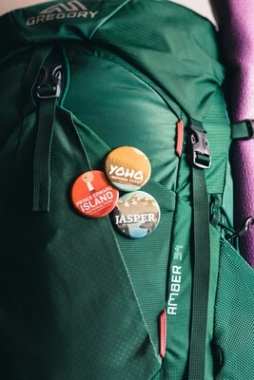
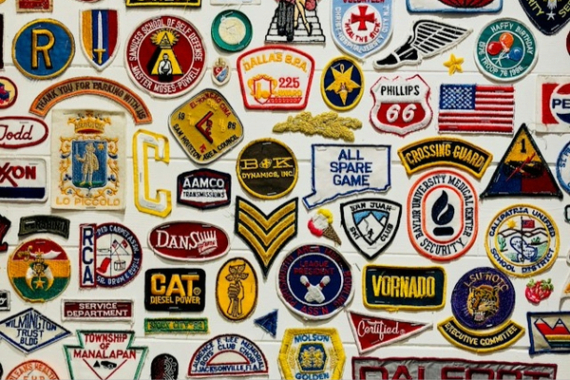
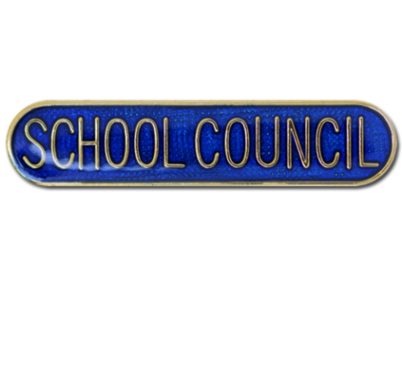
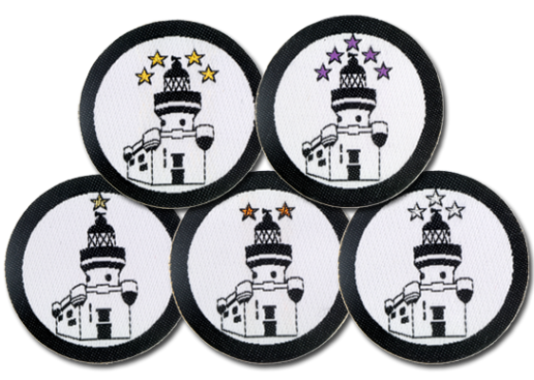
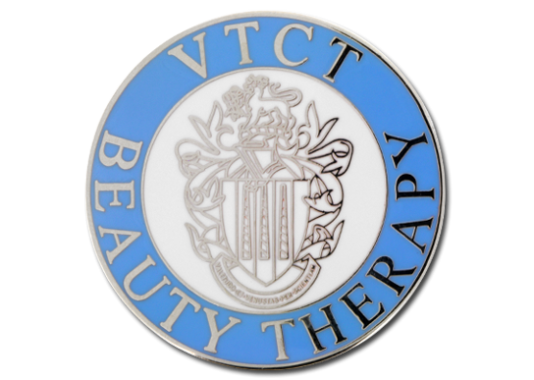
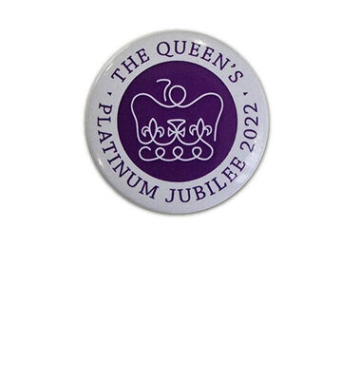
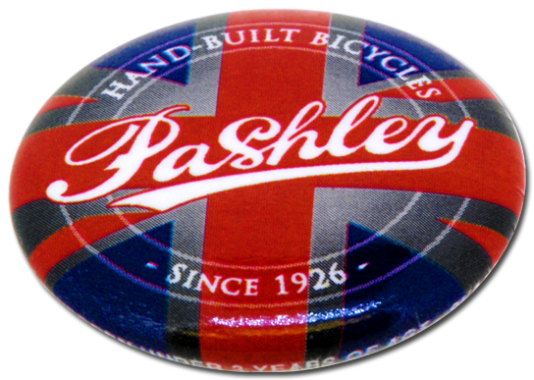
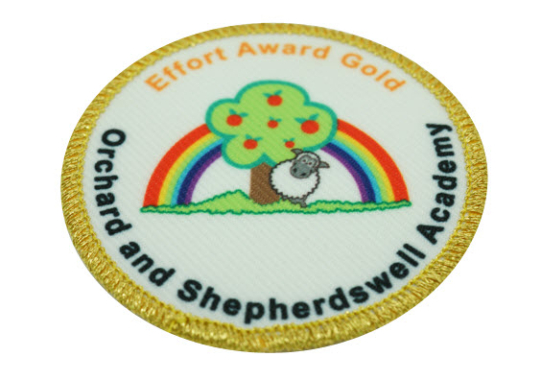
Badges are popular accessories typically made from metal or plastic and featuring some type of printed design. Badge designs tend to be simple and message-driven and are most often used for things like promotion or raising awareness (e.g. as charity or campaign badges) or for identification purposes (for example in schools).
Badges are usually created large enough to be noticeable / readable from a distance and often have a clear layer on top of the printed surface for protection. They’re most commonly round and made to be lightweight and comfortable as well as affordable as they’re often required for use in high quantities.
Historically and culturally, badges have a huge significance. They’ve been used for everything from membership to political movements to school pride and are a big part of British heritage.
What Is a Customised Pin?
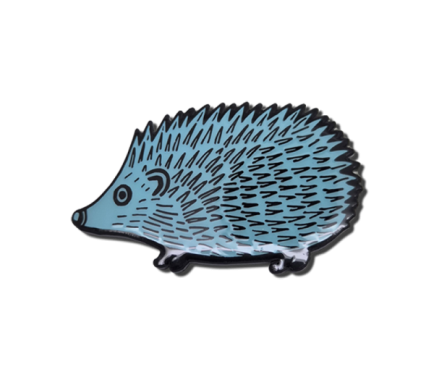
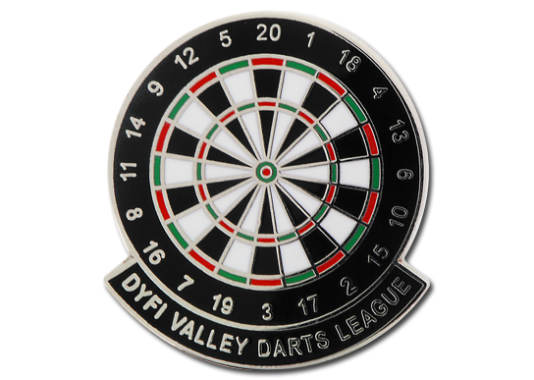
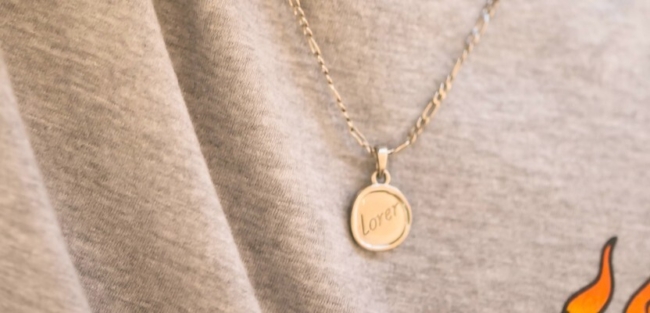
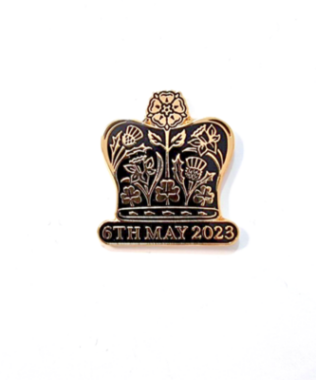
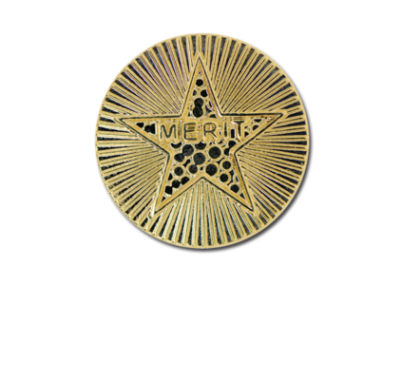
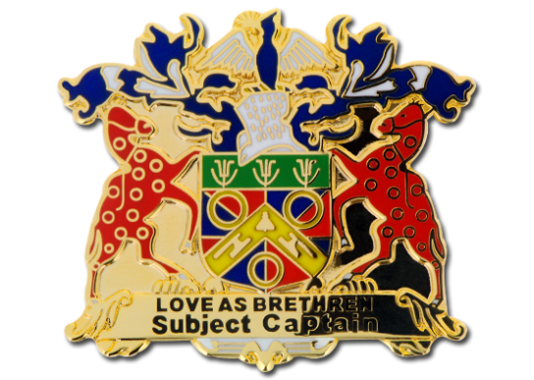
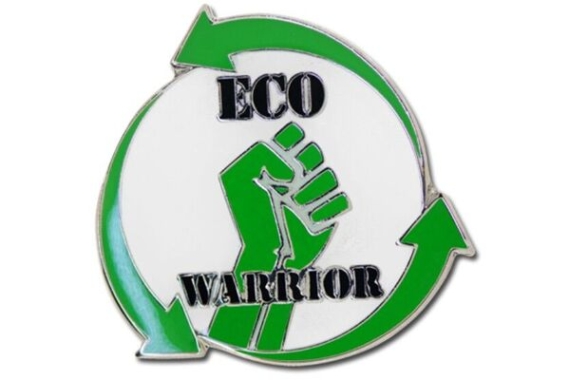
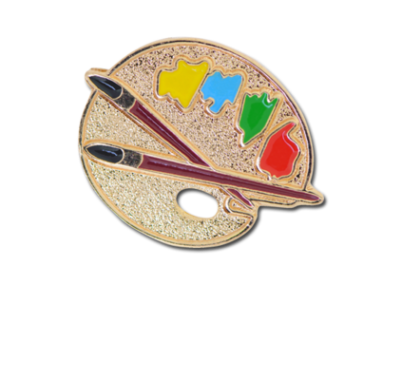
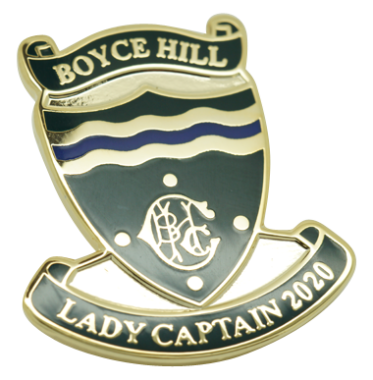
Customized pins are small and intricate accessories made from various types of metal and often have an enamel or plating finish on top. They are usually smaller than badges, often used as decoration e.g. to accessorise outfits or as collectibles as opposed to catching attention or promoting.
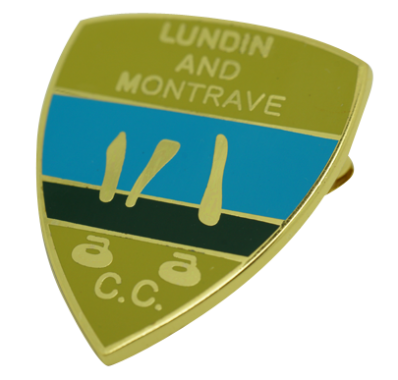
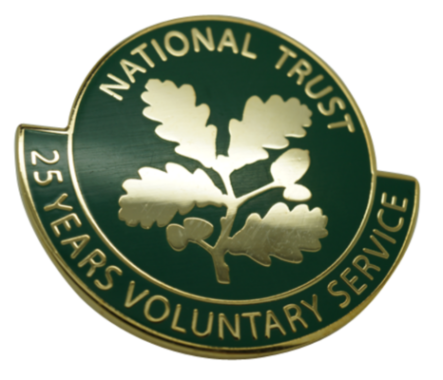
Creating a customized pin involves high levels of craftsmanship and a variety of methods including die stamping, moulding, etching, etc. and they’re often finished by hand to achieve precision. They can either have a smooth enamel or a raised enamel finish which also makes them more tactile and jewellery-like.
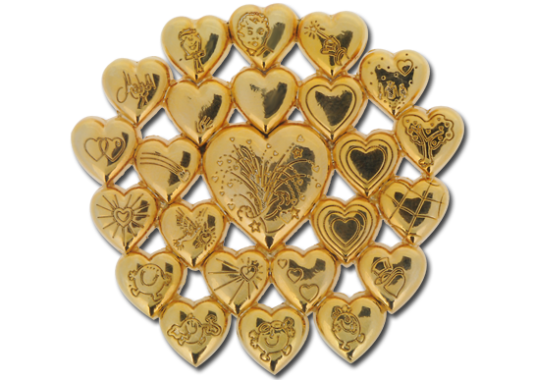
Pins can hold great emotional and sentimental value and are often presented as gifts unlike badges which have a slightly more casual quality to the way they’re used, and pins also tend to be produced in smaller batches than badges.
Badge vs Pin: What Are the Differences?
If you’re still somewhat confused about what exactly sets badges and pins apart, here are some of the key differences between the two:
- Purpose: Badges are typically used for promotional purposes, for identification or raising awareness, while pins are used for artistic / personal expressions or as collectibles.
- Material and Crafting: Badges are more flexible in terms of material and can be made from metal, fabric or plastic. Pins are usually only made using metal and often have an enamel coating. Pins can also involve a higher level of craftsmanship.
- Size and Shape: Badges traditionally have a round shape, while pins can have all types of custom shapes.
- Design: Badge designs are bold and easily readable, pins are detail-driven and artistic.
- Durability: Badges are lightweight and designed for shorter term use, pins are meant to last longer so they’re typically sturdier.
What Are the Different Types of Pins?
Pins come in various forms and finishes. Depending on the result you’re looking for, you might choose between:
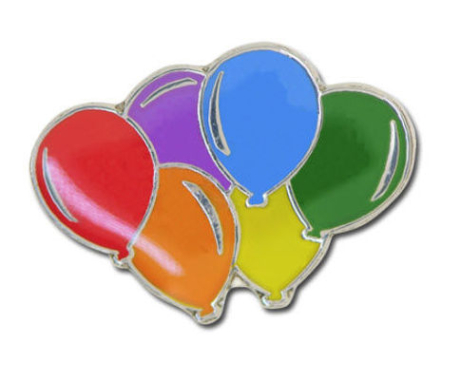
Soft enamel pins have a unique textured design that appears slightly raised which is great if you’re looking for a focus on detailing as this makes the colours and shapes even more stunning. What’s more, they can also be more affordable compared to other pin types.
Hard enamel badges, in addition to being incredibly elegant, are also known for their durability. This allows you to enjoy a beautiful, high-quality finish for longer. These pins can be made using any metal (brass, copper, aluminium, etc.), even precious metals and many badge manufacturers like our team at Badges Plus hand-polish each of their hard enamel pins by hand for a flawless result.
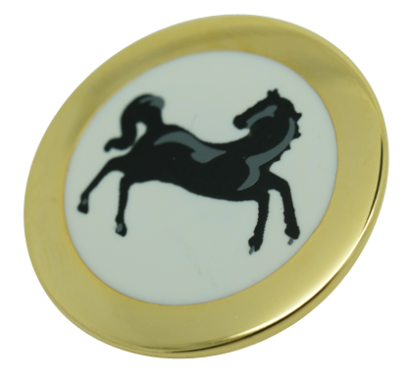
Vitreous badges are also known as porcelain badges and are considered the most premium type of enamel badge due to the care and level of craft that goes into creating them. They are made of vitreous (or glass-based) enamel which they are filled with after being stamped in copper (or another metal) and then they are heated to extreme temperatures which makes them incredibly long-lasting.
Die struck pins are most commonly stamped into iron (although other metals can also be used) and don’t usually incorporate colour. They’re a great option if you’re looking for an affordable pin option while still enjoying a high level of quality and detail for your pin.
At Badges Plus, a great level of effort and skill goes into creating our die struck pins as our team uses a combination of techniques to make sure designs are as detailed as possible and hand-polishes each pin for a beautiful finish.
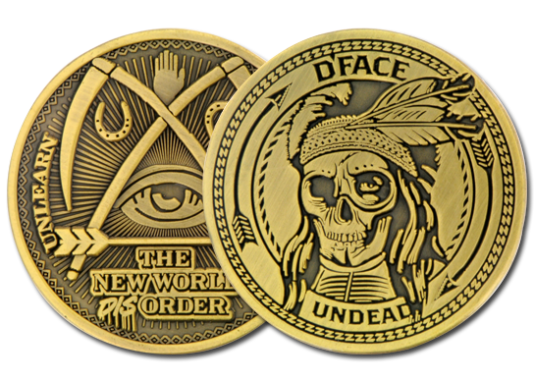
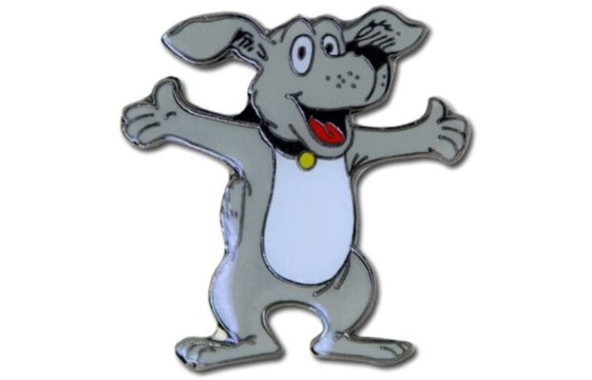
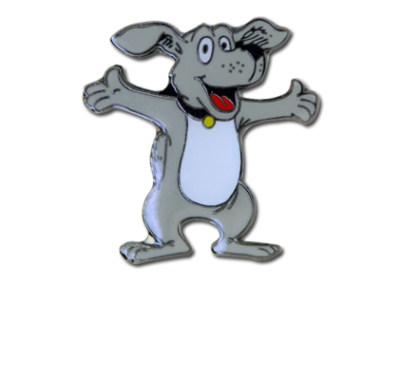
3D pins are often chosen for more creative designs or when you’re looking for an eye-catching pin as they’re able to create a higher level of detail and are great for representing faces, animals, logos and even buildings due to their multi-level quality.
At Badges Plus, we’re able to craft 3D pins from a range of materials depending on your budget and design, including pewter, zinc and copper.
What Are the Different Types of Badges?
Badges can be made from many different materials and the different types of badges are largely organised around what they’re used for, from identification to promotion to raising awareness for causes. Here are some of the most popular badge types:
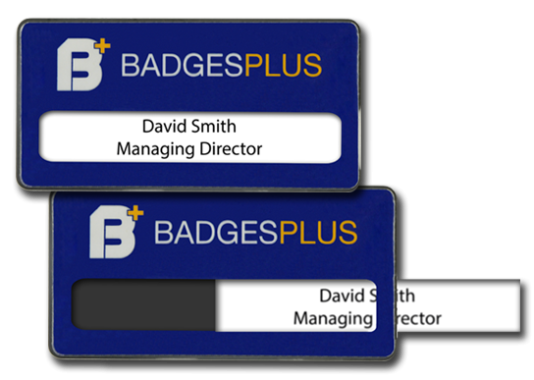
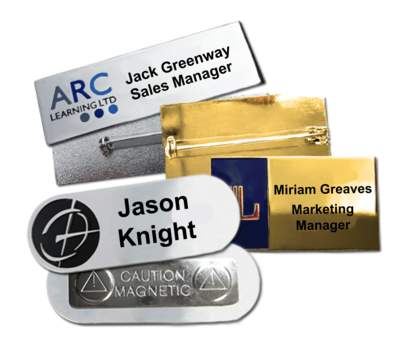
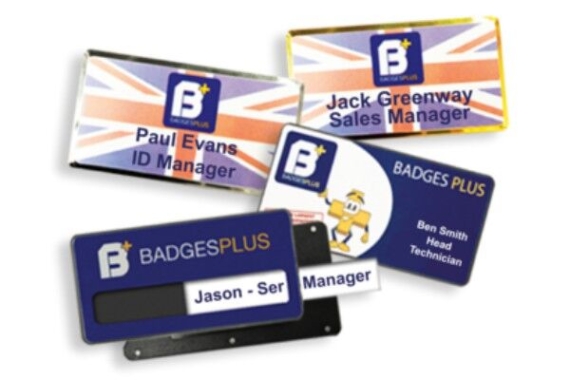
ID badges are used to identify a person and they often include their name, image and position within an organisation. They’re a convenient and cost-effective way to improve security and often play a key role in access control. Alongside this, they are also great at building brand identity, employee pride and customer trust.
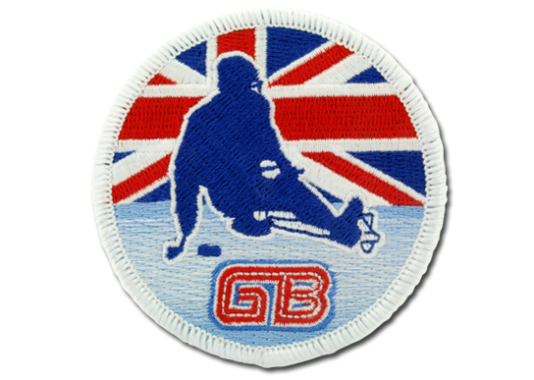
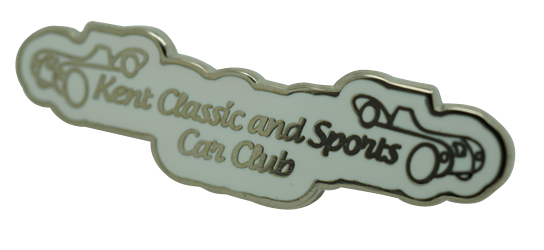
Sports club badges are deeply rooted as a tradition in the UK and have been used to represent a club’s heritage as well as to boost local identity, team spirit and community ties for hundreds of years.
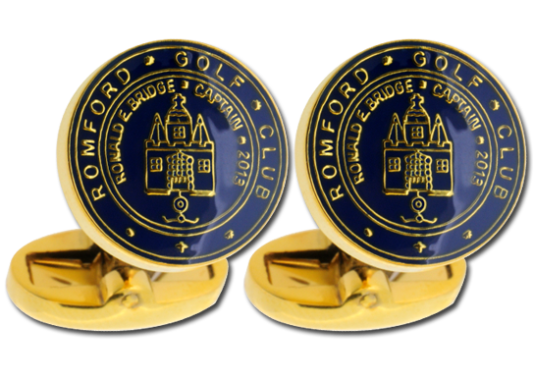
Many sports club badges are still made using traditional techniques that have been used throughout the decades, including the sports badges we create at Badges Plus. Our team uses trusted die-casting and enamelling techniques to create beautiful badges for all types of sports teams including rugby, football, cricket, golf and more.
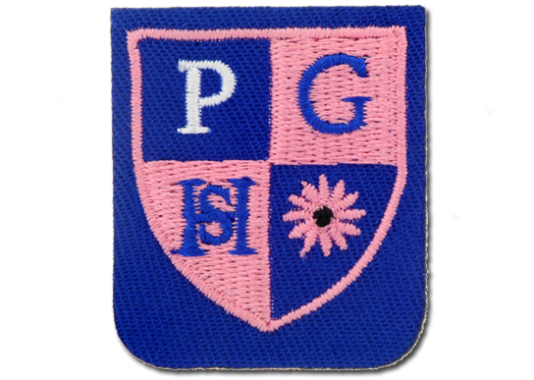
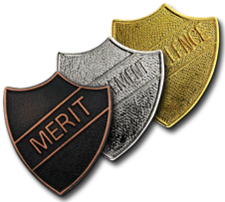
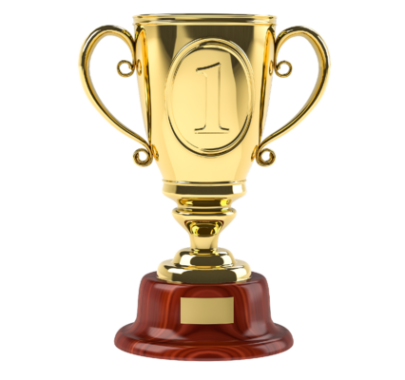
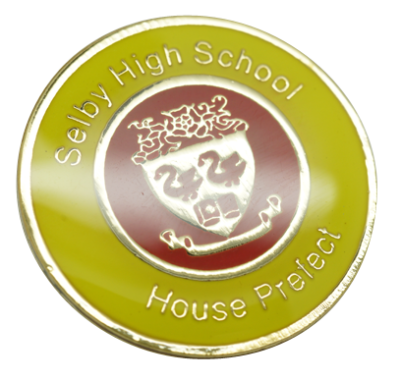
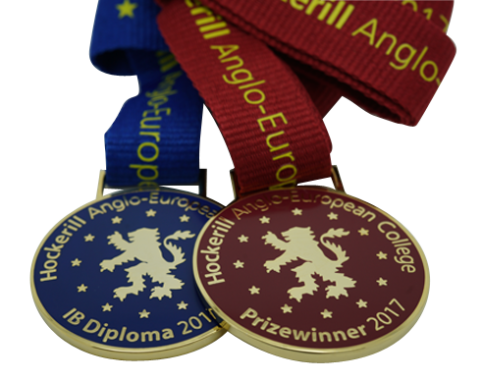
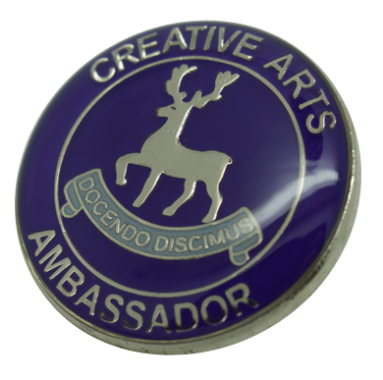
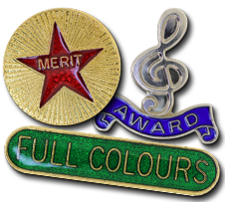
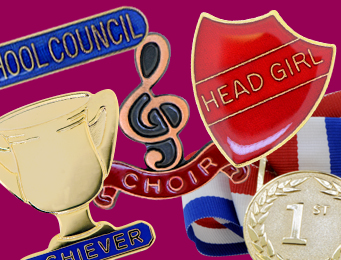
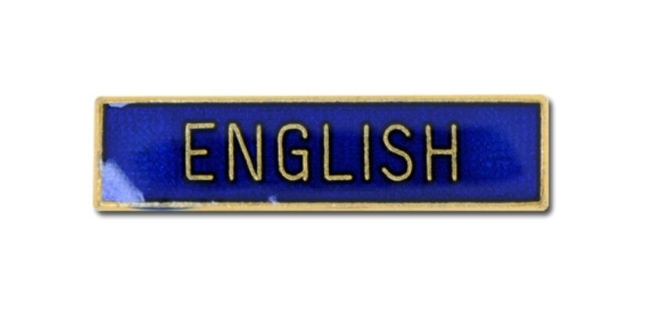
School badges have played an important role in schools in the UK for many years as they date back to at least the 19th century. They can have a myriad of applications, from prefect badges to award badges to house badges, and in addition to identification purposes they also serve to create a sense of belonging, promote excellence and school pride.
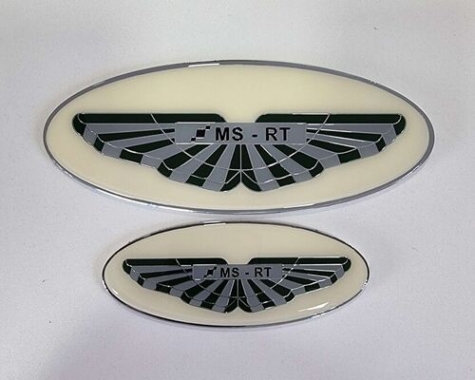
Car badges are one of the most popular badge types and are a great way to refresh an old car emblem or recreate an original car badge that’s no longer in production, for example. Professional badge manufacturers such as Badges Plus are skilled at both creating replicas of original badges and refurbishing existing ones that may have become worn or damaged.
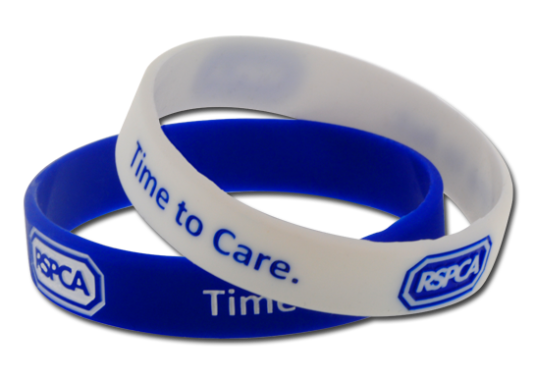
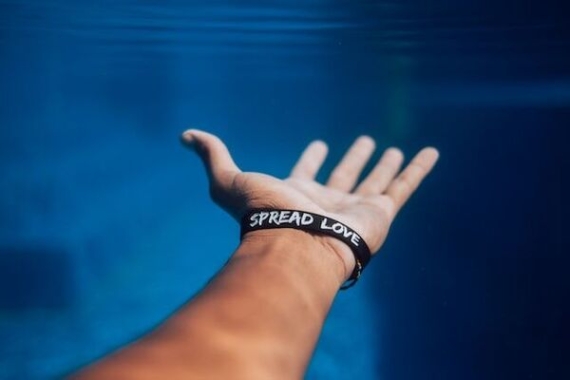
Charity badges are arguably one of the most effective methods of raising awareness for a cause since in addition to being affordable to create even in larger batches, they’re consistently visible when worn. This is a simple, but efficient method of reaching a level of constant exposure that’s hard to achieve using other forms of marketing.
The Badges Plus team has created charity badges and successfully helped raise awareness for countless organisations across the UK including the British Heart Foundation and Birmingham Children’s Hospital Charity.
Badge or Pin: Which Is Right for You?
When choosing between a pin vs badge, what you should opt for depends on the purpose for which you’re intending to use your accessory.
If you’re looking for an accessory that’s functional, bold and cost-effective, then you should choose badges. They’re noticeable, easy to hand out or otherwise disperse and don’t require a huge budget to create in large quantities.
If, however, you’re looking for an intricate personalised accessory to wear, use as a collectible or maybe give as a gift, you should choose a custom pin. They’re long-lasting and highly customisable, perfect for self-expression or as a fashion statement.
Create Custom Made Badges and Pins with Badges Plus
Whether you’re looking to have a custom made badge created or a personalised pin, we at Badges Plus can help bring your design to life. We’ve been crafting custom badges and pins for over 30 years and have been trusted by countless individuals and businesses across the UK.
If you already have a vision for your custom made badge or pin, our team will create it so you receive the exact result you’re looking for, but if you need help with the design, we also offer a free design service.
If you already have an idea in mind, you can make an enquiry and upload it online and our team will do the rest. If, however, you have any questions or would like for us to create a design from scratch, get in touch with our team today and we’ll be happy to help!


 Pin BadgesPin Badges
 KeyringsKeyrings
 Car Badges
 Laser Engraving
 Shop By ProductShop By Product