Lapel pins have officially made a comeback in 2026 and are increasingly popping up everywhere from major fashion houses’ seasonal collections to jackets, shirt collars and even shoes worn in day-to-day life. But what are lapel pins exactly, what are they used for and how should you style them? We’ve put this handy guide together to let you know all of this and more!
What Are Lapel Pins?
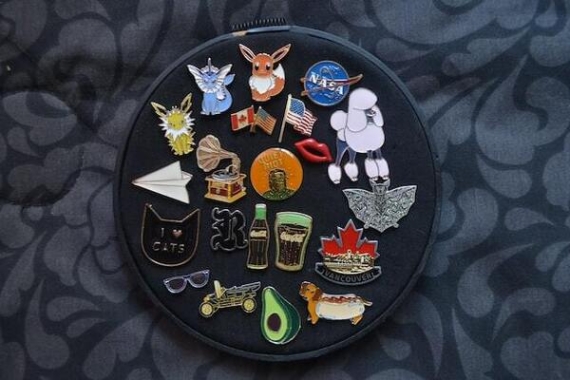
Lapel pins are small decorative pins traditionally worn on the folded flap of a jacket fabric (called a lapel), but are also often attached to other pieces of clothing, bags, displayed on pieces of fabric and more. They can be purely decorative or can be used to demonstrate the wearer’s affiliation with a particular cause/organisation or an achievement.
What Are Lapel Pins Used for?
Originally, lapel pins began appearing on noble clothing around the 16th century in Europe as a symbol of social standing and wealth. They’ve also been used as military identification during the American Civil War in the 1860s to show regiment allegiance and as political and social symbols in the 17th and 18th century when they were used for political campaigns.
Nowadays, however, the lapel pin finds a myriad of functions and applications as it’s used for everything from a fashion statement or as an accessory to a way to showcase identity or as advocacy for various causes. Activists and politicians use them in awareness campaigns, fandoms and societies use them to show loyalty and people interested in fashion use them to accessorise tees, hats, denim jackets, bags and more.
What Are Lapel Pins Made of?
Different types of lapel pins are made of different materials, but the primary base metals typically used to craft them include iron, zinc alloy, brass, copper or stainless steel with iron typically used for simpler/2D shapes and zinc alloy being more suited for complex / 3D designs. Brass and copper are used for more traditional or high end pieces and stainless steel (or aluminium) work especially well for detailed pieces that include lots of detail.
Depending on the design different fillers and coatings can be used, e.g. enamel which is made from ground glass particles for hard enamel or acrylic resin for soft enamel is used for coloured designs. A thin layer of gold, nickel, silver or another metal is sometimes added for additional shine or as protection while for printed pins, a clear plastic coating known as an epoxy dome can also be applied to protect the design.
Types of Lapel Pins
There are many different types of lapel pins depending on the wearer’s preferred design and the intended use, here are some of the most common ones:
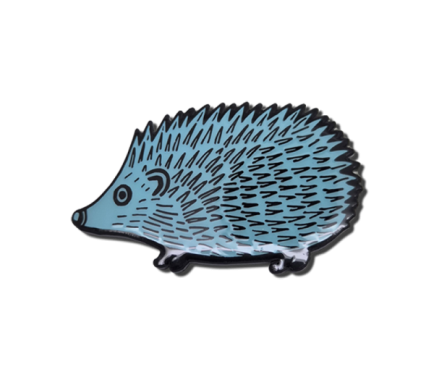
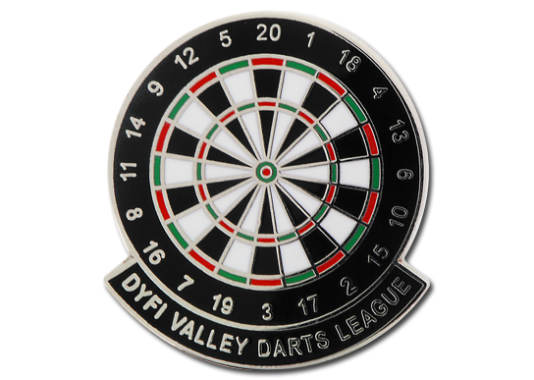
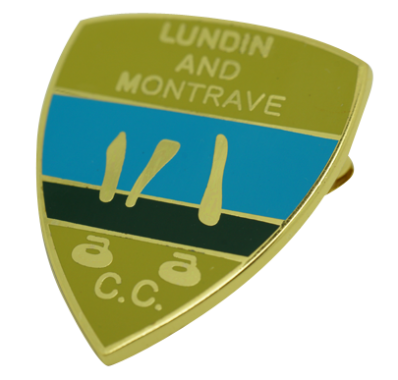
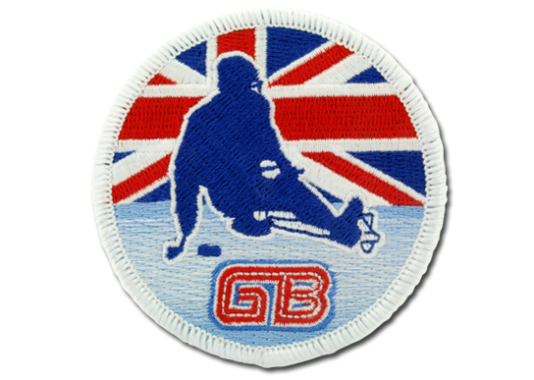
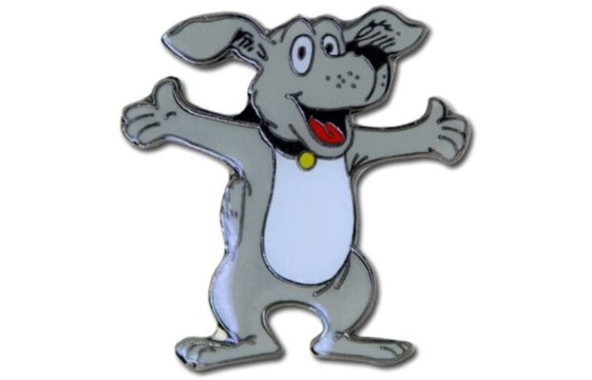
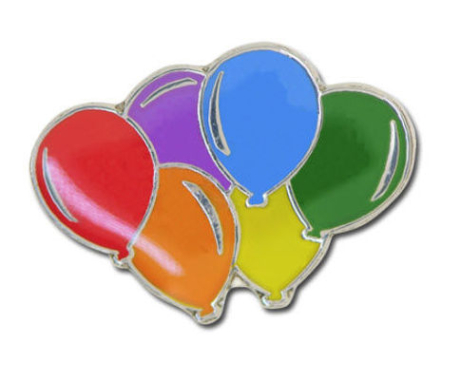
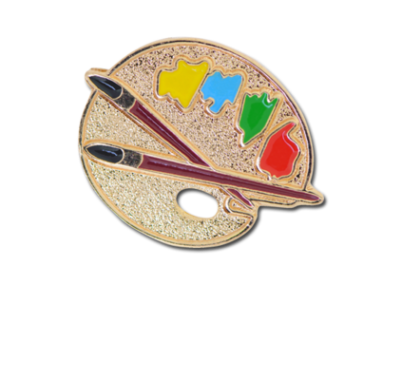
- Enamel pins: Great for detailed/complex & colourful designs, available in hard, soft and vitreous enamel options depending on budget and preference
- Die struck pins: Work best for designs that don’t incorporate colour, typically stamped into iron or other metals for durability
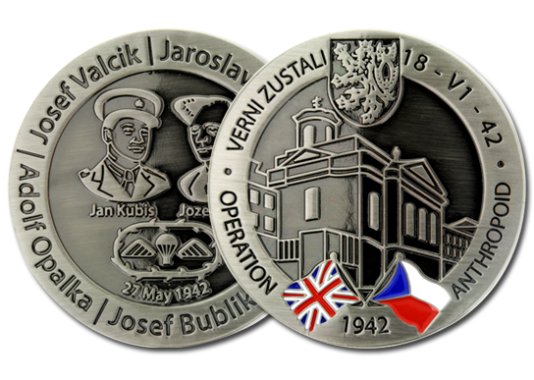
- 3D badges: Feature a raised three-dimensional surface rather than a flat design, crafted by pressing metal into the intended shape
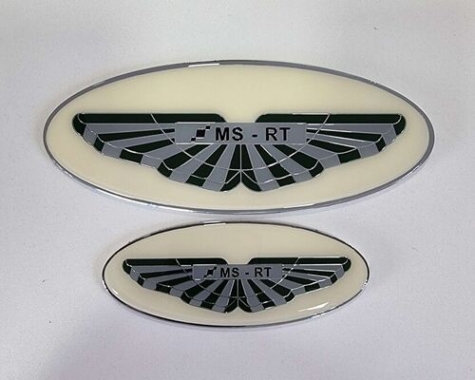
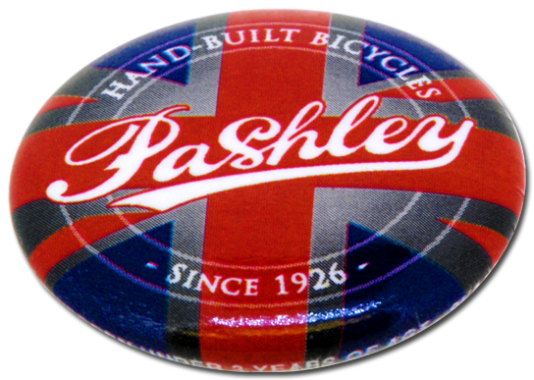
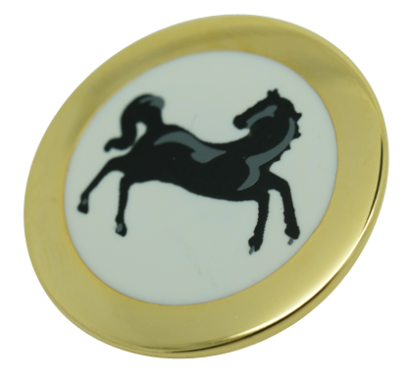
- Printed pins: Perfect for coloured designs e.g. logos, images etc; Crafted by engraving the design directly onto brass metal and adding an epoxy coating for protection
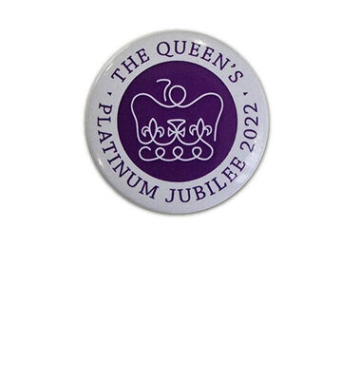
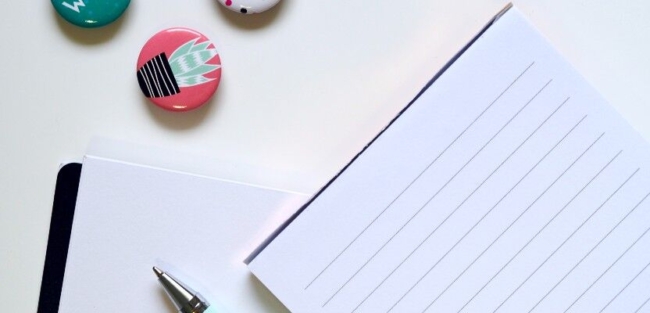
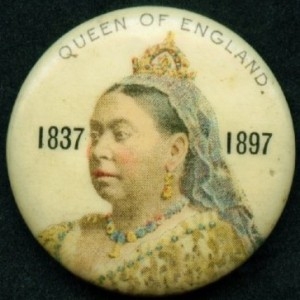
- Button badges: One of the most cost effective options, often used for marketing purposes or for sports clubs/schools; can be finished with almost any image, logo, wording, etc.
As you can see, there’s a type of pin to suit almost any preference and the various methods available to craft these accessories allow for a wide variety of design requirements to be accommodated.
Are Lapel Pins in Style?
Lapel pins are very much in style in 2026 and they’ve transitioned from traditional men’s wear mainly seen in formal settings to a fun, exciting gender-neutral accessory used to express identity, allegiance to a cause or simply for fun. This is not to say that traditional pins are no longer popular, it’s just that the accessory has also extended into everyday life with people using it to have fun and explore ways of expressing themselves.
What Side Are Lapel Pins Worn On Traditionally?
Lapel pins are traditionally worn on the left side directly over the wearer’s heart. To find the correct spot you can use the buttonhole on the left lapel if your jacket has one or if not, aim to position it on the upper half of the lapel, over your collarbone / where a buttonhole would typically sit.
How to Style Lapel Pins for Casual Wear in 2026
There are many different and fun ways to incorporate these accessories into your everyday life, here are just a few:
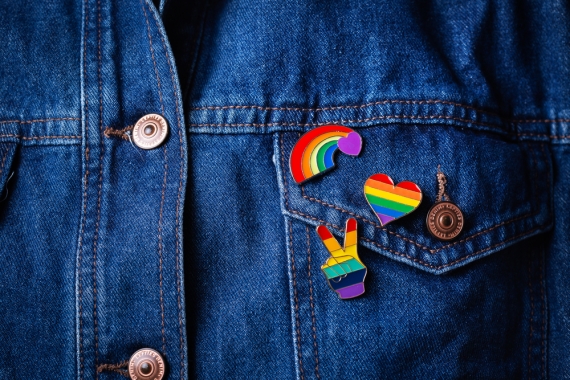
- Add them to denim/leather jacket or utility vests
- Fasten them near the collarbone or on a pocket edge of a cardigan
- Use them to decorate canvas totes, backpacks or crossbody purse straps
- Pin them onto berets, beanies, baseball caps or scarves
- Push them through the fabric on the tongue of canvas shoes
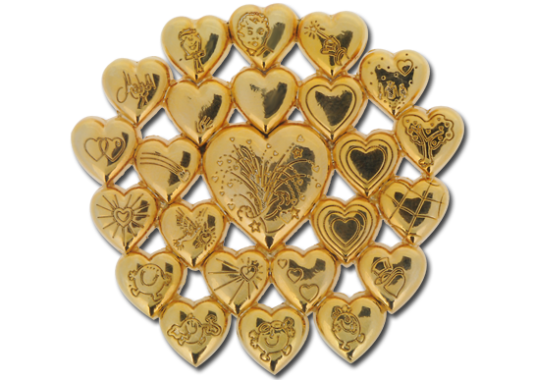
Instead of wearing just one, why not try creating a curated cluster? Group three or more similarly styled pins together using your biggest or most ornate one as an ‘anchor’ (visual focal point) and fasten the rest in loose overlapping triangles around it. A fun tip is to always pick an odd number as it’s believed to look more balanced and artistic than even numbers.
Choose Custom Lapel Pins from Badges Plus
At Badges Plus, we’ve been crafting high quality custom lapel pins for over three decades combining trusted traditional methods with the latest technology and facilities. All our products are fully manufactured in-house and we also offer a free design service to help you bring your ideas to life.
Contact our team today for more information or call us on 0121 236 1612.


 Pin BadgesPin Badges
 KeyringsKeyrings
 Car Badges
 Laser Engraving
 Shop By ProductShop By Product